
Is Dental Tourism in Panama Safe? A Dentist's Guide
The short answer is yes — but "safe" is earned by the clinic you choose, not handed out by the country you land in. Here is what actually creates risk in dental tourism, how to vet a clinic, and the red flags that should send you elsewhere.
- Panama itself is stable, dollar-based and well-connected — the travel side is low-friction.
- The real risk in dental tourism is rushed treatment and no follow-up, not the country.
- You control safety by vetting the clinic: license, sterilization, materials, a written plan and a warranty.
- Biggest red flag: "fixed teeth in a day, guaranteed" for every case. Implants need months to heal.
Is Panama a safe place to travel for treatment?
On the travel side, Panama makes this easy. It's one of the more stable countries in Latin America, it uses the US Dollar as its official currency, and Panama City is a major international hub built around Tocumen airport. You'll find English spoken in the medical and tourism sectors, modern hospitals, and a city that receives business and leisure travelers year-round. Normal city travel sense applies, as it would anywhere — but the country is not the hard part of this decision.
The hard part — and the honest part — is choosing the clinic. So let's talk about where risk actually lives.
The real risks of dental tourism (and they're not what you think)
Most horror stories about dental tourism are not about the destination. They trace back to four things, any of which can happen in your home city too:
- Rushed treatment. The single biggest danger. When a clinic compresses months of biology into one trip to make a sale, corners get cut. Implants need time to fuse with bone; forcing a permanent tooth too early risks failure.
- Over-treatment. Being sold more crowns or implants than you actually need. A trustworthy clinic will sometimes tell you that you need less.
- Weak infection control. At the bottom of the market, sterilization can be inadequate. This is a clinic-quality issue, and it's easy to screen for.
- No follow-up. You fly home and there's no plan if something needs adjusting. This is where cheap, anonymous clinics fail patients.
Notice that none of these is "Panama." They're all clinic decisions — which is exactly why your due diligence should focus there.
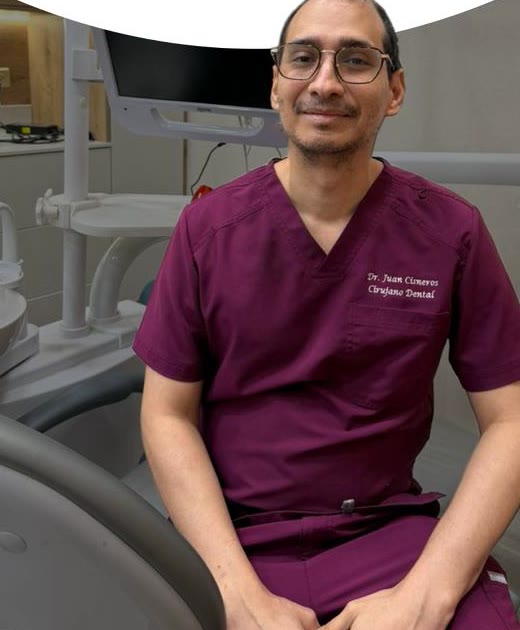
Dental tourism goes wrong when someone sells you speed. It goes right when someone sells you a plan. If a clinic is rushing your biology, that's the warning sign — wherever you are in the world. — Dr. Juan Cisneros, Medical Director
How to vet a dental clinic in Panama: a checklist
Use this before you pay a deposit anywhere — including with us. A good clinic will welcome every one of these questions:
- Verify the license. In Panama, dentists hold an idoneidad (professional license) from the Consejo Técnico de Salud. Ask for the number. Ours is on record for the Medical Director (Nº 400-C.T.).
- Confirm sterilization. Instruments should be sterilized in an autoclave, with single-use disposables where appropriate. Ask directly.
- Ask what they use. Which implant brands (e.g., MIS) and which crown materials (zirconia, Ivoclar IPS e.max)? Vague answers are a warning.
- Demand a written plan. An exact price in USD, the number of implants or crowns, and a realistic timeline — including how many trips.
- Check who makes the crown. An in-house lab means tighter quality control and faster fixes. We mill ours ourselves.
- Confirm the warranty and follow-up. What's covered, for how long, and how they help if there's an issue after you fly home.
- Read independent reviews and look for real before/after cases, not just stock photos.
This guide is general information to help you travel safely, not a diagnosis or a treatment plan. Your suitability, risks and timeline depend on your case and must be confirmed with a clinical evaluation. Reviewed by Dr. Juan Cisneros, Medical Director, Panamá Sonríe.
Red flags to walk away from
- "Permanent teeth in a day, guaranteed" for every patient. Same-day loading is possible in favorable cases only — never a blanket promise.
- A price with no written plan. If they won't put the plan and price in writing before you fly, don't fly.
- No license, no reviews, no name. Anonymous "package" middlemen who won't name the actual dentist.
- Pressure and urgency. "Book today or the price goes up." Your mouth is not a flash sale.
- No answer on follow-up. If they can't tell you what happens when there's a complication back home, that silence is the answer.
What happens if there's a problem after you go home?
This is the question that separates a serious clinic from a tourist trap. Our answer: we back implants with a 2-year warranty, we stay reachable for remote follow-up, and because our lab is in-house, we can remake or adjust a prosthetic ourselves rather than depending on a third party. We also arrange private travel insurance as a safety requirement, separately and at cost. Ask every clinic you consider this exact question — the quality of the answer tells you almost everything.
Is the saving worth doing it right?
Done safely, the economics are genuinely compelling — which is why so many patients do it. Here's the saving versus the U.S. that motivates the trip in the first place:
| Treatment | Average U.S. cost (2026) | Panamá Sonríe — from | You save up to |
|---|---|---|---|
| Single dental implant post + abutment + crown | $3,500–$6,000 | $2,500 | up to 58% |
| All-on-4 fixed zirconia arch · per arch | $25,000–$38,000 | $12,950 | up to 66% |
| Smile makeover / full mouth 24–28 porcelain crowns | $15,000–$40,000+ | $14,995 | up to 62% |
U.S. figures are 2026 national-average ranges from published dental-cost guides; actual U.S. prices vary by city and case. "Save up to" compares our starting price to the high end of the U.S. range. Dental prices only — travel and lodging are arranged separately, at cost.
But that saving only counts if the work lasts. Spend the saving wisely: on a licensed team, real materials, a proper plan and a warranty — not on the lowest number you can find. That's how dental tourism in Panama is both affordable and safe.
Do it safely, from the first message
Start with a video consultation and a case study — a licensed team, a written plan, an exact USD price, and an honest answer including a "no" if that's the right call.
Keep reading
Frequently asked questions
Is dental tourism in Panama safe?
Yes, when you choose the right clinic. Panama is stable, dollar-based and a major hub, so travel is straightforward. The safety variable is the clinic — license, sterilization, materials, a written plan and a warranty matter more than the country.
What are the real risks of dental tourism?
Rushed treatment, over-treatment, weak infection control at low-end clinics, and no follow-up after you fly home. "Teeth in a day, guaranteed" is a red flag — implants need months to heal. Vet the clinic to remove these risks.
How do I choose a safe dental clinic in Panama?
Verify the license (idoneidad) number; confirm autoclave sterilization and disposables; ask which implant brands and crown materials they use; require a written plan with an exact price and realistic timeline; and confirm the warranty and follow-up. Openness to these questions is the best signal.
What happens if there's a problem after I go home?
A serious clinic plans for it. We back implants with a 2-year warranty, stay reachable for remote follow-up, and — with our in-house lab — can remake or adjust prosthetics ourselves. We also arrange private travel insurance, at cost. Ask any clinic how they handle complications from a distance.