
Zirconia vs Acrylic Full-Mouth Implant Bridges: What the Studies Say, and Why We Use Zirconia
Fracture, wear, staining, plaque, repairs and survival: what studies say about zirconia vs acrylic full-mouth implant bridges, and why we use zirconia.
If you are getting All-on-4 or All-on-6, the implants are only half the decision. The other half is the material of the bridge you will chew with every day for years. The two most common options are an acrylic hybrid (acrylic teeth and pink acrylic on a metal bar) and zirconia. At Panamá Sonríe we make the definitive bridge in zirconia only. Here is what the published research says, including where it is less clear-cut than many clinics admit.
- In a long-term comparison of 74 full sets, zirconia bridges survived more often than metal-acrylic ones (93.7% vs 83.0% at 5 years).
- In acrylic hybrids, tooth fracture and wear are the most frequently reported long-term problems.
- Zirconia is not problem-free: veneered (ceramic-layered) zirconia can chip. Monolithic zirconia shows far fewer technical complications.
- Acrylic is easier and cheaper to repair, which is why it works well for temporaries. For the final bridge, we choose zirconia.
What is the difference between a zirconia and an acrylic full-set bridge?
An acrylic hybrid is made of acrylic resin teeth and pink acrylic gum processed over a metal bar. A zirconia bridge is milled from a solid block of zirconia, a high-strength ceramic, and finished with stains or ceramic. Both screw onto the same implants. The difference is how the material resists fracture, wear, staining and plaque over the years.
| Acrylic hybrid (metal-acrylic) | Zirconia | |
|---|---|---|
| Material | Acrylic resin teeth and gum on a metal bar | Milled ceramic (monolithic or layered) |
| Most reported long-term problem | Tooth fracture and wear | Chipping of the layering ceramic, if layered |
| Repairs | Easy and inexpensive, often chairside or in a day | Harder; may need the lab, or a remake |
| Upfront cost | Lower | Higher |
| At Panamá Sonríe | Not offered as a final bridge | Our definitive bridge, milled in-house |
Does a zirconia bridge last longer than an acrylic one?
In the longest direct comparison we found, yes. Barootchi and colleagues followed 74 full sets for a mean of 8.7 years: zirconia bridges had a 5-year survival of 93.7% versus 83.0% for metal-acrylic, and delayed complications were more frequent with acrylic. Implant failure and peri-implantitis did not differ between the two.
Not every study agrees on everything. A 5-year Italian study of 214 full-set prostheses (Tartaglia et al., 2016) found that the material did not change the risk of complications or failure. A 2026 meta-analysis of monolithic zirconia (Matos et al.) reported 99% of prostheses still in function at the last follow-up, but its authors rated the certainty of evidence as low, because most studies are retrospective and follow-up runs up to about five years.
Our reading: the evidence favors zirconia for survival, and a good plan and a good fit matter for both materials.
Do acrylic teeth break or wear down?
Yes. Fracture and wear of the acrylic teeth are the most frequently reported long-term complications of acrylic hybrids. In a 15- to 20-year study of lower metal-resin bridges, acrylic tooth fracture affected 45.8% of patients and wear 75% (McGlumphy et al., 2019). A meta-analysis of studies with at least five years of follow-up reached the same conclusion: veneer fracture and material wear were the most frequent problems (Bozini et al., 2011).
Another study of lower metal-resin bridges found that patients were far more likely to need back teeth replaced after five years than in the first two (Purcell et al., 2008). Acrylic is a softer material: it is kind to the opposing teeth, but it wears and needs maintenance.
Does zirconia chip?
Layered zirconia can. Monolithic zirconia rarely does. A systematic review of zirconia full-set bridges found a low failure rate (1.4%), but 14.7% of prostheses had minor chipping of the layering ceramic (Bidra et al., 2017). A 2026 meta-analysis found technical complications of up to 27% in veneered designs, versus 1% to 3% in monolithic ones (Matos et al., 2026).
That is why design matters as much as material. When esthetics allow, we favor monolithic zirconia in the areas that take the most force, and we keep the ceramic where it matters most for appearance. A 2026 umbrella review of seven systematic reviews reached the same conclusion: monolithic zirconia and screw-retained designs show lower technical complication rates (Tomar et al., 2026).
One more point to be honest about: zirconia is hard. When the opposing teeth are a removable denture, the denture's teeth are the ones that tend to chip. In a one-year study of monolithic zirconia bridges, chipping of the opposing upper denture accounted for half of all complications (Limmer et al., 2014). We plan both upper and lower together for that reason.
Does acrylic stain or collect more plaque than zirconia?
The evidence is weaker here, and we will not overstate it. Reviews describe zirconia as accumulating less plaque than resin materials, but lab results are mixed. In one lab study, biofilm was higher on PMMA (acrylic) than on zirconia before aging, but the difference changed after aging (Çakmak et al., 2025). On staining, another lab study found that zirconia, lithium disilicate and acrylic all picked up stain from cigarette smoke, and brushing reduced it (Schelkopf et al., 2022).
What this means for you:
- Smoking stains every material. It also remains the biggest risk factor for implants.
- A highly polished or glazed surface is easier to keep clean, whatever the material. Our zirconia is milled, stained and glazed in our own lab.
- Hygiene decides more than material: a water flosser, the brushes we show you, and professional cleanings.
Is acrylic easier to repair?
Yes, and that is acrylic's real advantage. A broken acrylic tooth can often be repaired quickly and at low cost. Reviews describe metal-acrylic hybrids as easy to use, affordable and easy to repair. Repairing zirconia is harder and sometimes means remaking the bridge. Over time, though, the higher complication rate of acrylic can offset its lower upfront cost.
The Barootchi study measured this. Zirconia cost more to make at the start, but because it had fewer complications, maintenance and repair costs did not differ much between the two groups over the years.
Why does Panamá Sonríe use zirconia for the final bridge?
Because our patients fly to see us. Every repair on an acrylic bridge is another trip, another expense and time without your teeth. We would rather invest in the material with fewer long-term complications and higher survival in the published studies, and mill it in our own lab, where we control the design and fit.
Not all zirconia is equal, either. Good-quality zirconia costs 300-400% more than a generic one. That gap is one reason a very cheap "zirconia" bridge deserves questions; see cheap All-on-4: what's behind the price.
How we work:
- Temporaries first. You wear a temporary bridge while the implants heal. We use it to test your bite, the shape of your teeth and how you speak. It can take 2 to 3 sets. Ours are milled PMMA or Shining 3D-printed resin for temporaries.
- A precise record of the implants. We record each implant's position with photogrammetry, built into our Shining 3D Aoralscan Elite scanner. Studies suggest it is usually more accurate than standard scanning for full-mouth implant cases, which helps the bridge seat without stress. We explain it in All-on-4 vs All-on-6.
- Then the definitive zirconia. When the temporary is right, we copy it digitally and mill the final bridge in our lab with CAD/CAM, in a high-strength multilayer zirconia.
- A delivery date we commit to. Once your evaluation confirms you are a candidate, we commit to the delivery date agreed in your treatment plan.
- 2-year written warranty on the bridge and the implants we place, the same for every patient. See what it covers.
All-on-4 with a fixed zirconia bridge starts from $15,995 per upper or lower set and All-on-6 from $17,950 per upper or lower set. See All-on-4 vs All-on-6 and our full-set page.
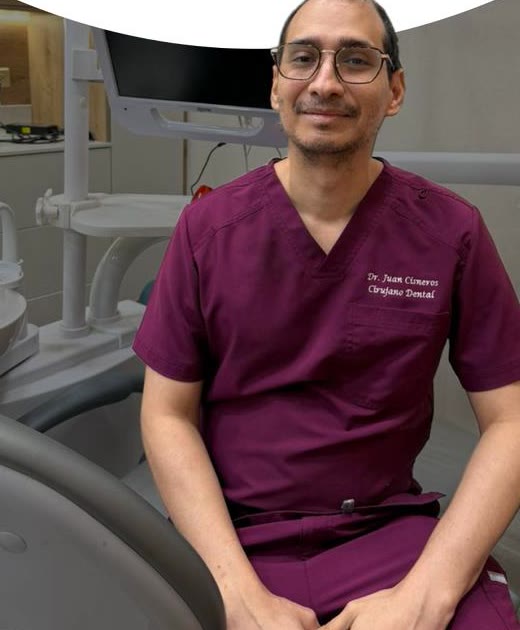
General information, not a diagnosis. Your case is confirmed with a clinical evaluation. Reviewed by Dr. Juan Cisneros, Medical Director, Panamá Sonríe.
Let's talk about your case
Want to know which design fits your mouth? Contact us here or call us free: +1 (877) 373-6040. Your video evaluation is free, with no commitment. You can also write to us on WhatsApp: +507 6140-5700.
Keep reading
Frequently asked questions
Is zirconia or acrylic better for All-on-4?
For the final bridge, the studies favor zirconia. In a long-term comparison of 74 full sets, zirconia bridges had a 5-year survival of 93.7% versus 83.0% for metal-acrylic, with fewer delayed complications. Acrylic is cheaper and easier to repair, which makes it a good material for temporary bridges.
How long does a zirconia full-set bridge last?
Long-term data are still limited, but results are good. A 2026 meta-analysis found 99% of monolithic zirconia full-set bridges still in function at follow-ups of up to about five years, with low certainty of evidence. Hygiene, regular check-ups and a night guard if you grind your teeth help it last longer.
Do acrylic All-on-4 teeth break?
They can. Fracture and wear of acrylic teeth are the most frequently reported long-term problems of acrylic hybrids. In a 15- to 20-year study of lower metal-resin bridges, acrylic tooth fracture affected 45.8% of patients and wear 75%. Repairs are usually simple and inexpensive, but they add maintenance visits.
Does zirconia chip?
Zirconia layered with ceramic can chip; monolithic zirconia rarely does. A 2026 meta-analysis found technical complications of up to 27% in veneered zirconia designs, versus 1% to 3% in monolithic ones. That is why we favor monolithic zirconia where the bite force is highest.
Do you offer acrylic hybrid bridges?
Not as the final bridge. At Panamá Sonríe the definitive full-set bridge is zirconia, milled in our own lab. Patients wear a temporary bridge while the implants heal, and we use it to fine-tune the bite and esthetics before milling the final zirconia.
Sources (PubMed, checked November 9, 2026)
- Barootchi S, Askar H, Ravidà A, Gargallo-Albiol J, Travan S, Wang HL. Long-term clinical outcomes and cost-effectiveness of full-set implant-supported zirconia-based and metal-acrylic fixed dental prostheses: a retrospective analysis. Int J Oral Maxillofac Implants. 2020;35(2):395–405. doi:10.11607/jomi.7833. PMID 32142577.
- Tartaglia GM, Maiorana C, Gallo M, Codari M, Sforza C. Implant-supported immediately loaded full-set rehabilitations: comparison of resin and zirconia clinical outcomes in a 5-year retrospective follow-up study. Implant Dent. 2016;25(1):74–82. doi:10.1097/ID.0000000000000368. PMID 26655096.
- Matos ACM, Vieira FL, Marrara JR, Tirapelli C, Correia FD, Santiago-Junior JF. Are monolithic zirconia complete set implant-supported prostheses reliable? A systematic review and meta-analysis. J Prosthet Dent. 2026;136(1):40–51. doi:10.1016/j.prosdent.2026.02.006. PMID 41813561.
- McGlumphy EA, Hashemzadeh S, Yilmaz B, Purcell BA, Leach D, Larsen PE. Treatment of edentulous mandible with metal-resin fixed complete dentures: a 15- to 20-year retrospective study. Clin Oral Implants Res. 2019;30(8):817–825. doi:10.1111/clr.13488. PMID 31131916.
- Bozini T, Petridis H, Garefis K, Garefis P. A meta-analysis of prosthodontic complication rates of implant-supported fixed dental prostheses in edentulous patients after an observation period of at least 5 years. Int J Oral Maxillofac Implants. 2011;26(2):304–318. PMID 21483883.
- Purcell BA, McGlumphy EA, Holloway JA, Beck FM. Prosthetic complications in mandibular metal-resin implant-fixed complete dental prostheses: a 5- to 9-year analysis. Int J Oral Maxillofac Implants. 2008;23(5):847–857. PMID 19014154.
- Bidra AS, Rungruanganunt P, Gauthier M. Clinical outcomes of full set fixed implant-supported zirconia prostheses: a systematic review. Eur J Oral Implantol. 2017;10 Suppl 1:35–45. PMID 28944367.
- Tomar S, Agnihotri N, Vhanmane G. Prosthetic complications of implant-supported complete set prostheses: an umbrella review of systematic reviews. J Prosthet Dent. 2026;136(1):52–59. doi:10.1016/j.prosdent.2026.03.013. PMID 41927400.
- Limmer B, Sanders AE, Reside G, Cooper LF. Complications and patient-centered outcomes with an implant-supported monolithic zirconia fixed dental prosthesis: 1 year results. J Prosthodont. 2014;23(4):267–275. doi:10.1111/jopr.12110. PMID 24393461.
- Çakmak G, Czapek NA, Weber AR, Molinero-Mourelle P, Eick S, Schimmel M. Effects of hydrothermal aging on surface properties and biofilm formation of CAD-CAM materials used for complete set implant-supported prostheses: an in vitro study. J Prosthet Dent. 2025;134(4):1206.e1–1206.e7. doi:10.1016/j.prosdent.2025.06.018. PMID 40664591.
- Schelkopf S, Dini C, Beline T, et al. The effect of smoking and brushing on the color stability and stainability of different CAD/CAM restorative materials. Materials (Basel). 2022;15(19):6901. doi:10.3390/ma15196901. PMID 36234241.
- Cinquini C, Alfonsi F, Marchio V, et al. The use of zirconia for implant-supported fixed complete dental prostheses: a narrative review. Dent J (Basel). 2023;11(6):144. doi:10.3390/dj11060144.
General information; it does not replace a clinical evaluation. Study results describe groups of patients, not a guarantee for any individual case.